Working in isolation is no longer enough. This is the reality of modern clinical practice where multidisciplinarity becomes necessary, not optional. So what does this mean for your current practice?
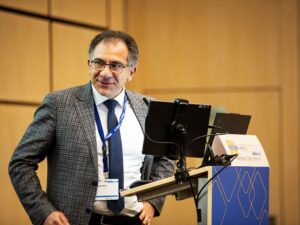
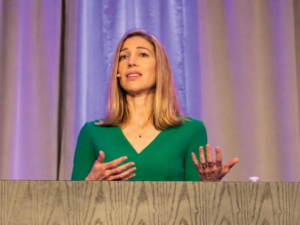
Three key voices weigh in. Prof. Paola Anna Erba, President of the European Association of Nuclear Medicine (EANM); Prof. Barbara Jereczek-Fossa, President of the European Society for Radiotherapy and Oncology (ESTRO); and Prof. Valeria Panebianco of the European Society of Radiology (ESR) explain how EMUC26 reflects this growing need for teamwork across disciplines.
New landscape of nuclear medicine
Prof. Erba underscored that cross-specialty conversation and partnerships across disciplines are vital for patient-centred care. According to her, EMUC26 is a powerful platform for multidisciplinary team (MDT) members to share best practices, especially in rapidly developing fields such as theranostics and radioligand therapy.
Although clinical evidence exists for prostate-specific membrane antigen (PSMA)-targeted therapies, many centres continue to face challenges in resource allocation and organisational setup. EMUC26 will provide practical insights on how to overcome the hurdles for such therapies, and where centres should focus their efforts.
Looking ahead, Prof. Erba frames the congress as part of nuclear medicine’s broader shift from diagnostics to therapy. “By becoming a pivotal therapeutic modality, EMUC26 will serve as a key platform to demonstrate nuclear medicine’s transformative potential.”
Advanced imaging and oncology
Prof. Panebianco stated, “EMUC26 will showcase the integration of advanced imaging into clinical decision-making pathways. Discussions between radiologists and clinicians can directly influence how tools such as MRI-based risk stratification are implemented in daily practice – for instance, redefining when invasive procedures can be avoided or optimised in both bladder and prostate cancer.”
She extends the same logic to oncology, where imaging meets artificial intelligence (AI). “Similarly, collaboration with oncologists can accelerate the translation of imaging and AI outputs into treatment strategies, such as selecting patients for systemic therapies, defining response to therapies, or tailoring follow-up protocols.”
Prof. Panebianco concluded, “These interactions often lead to consensus-building, protocol harmonization, and even the design of multicentre trials, ultimately translating into more precise and less invasive patient care.
“Nowadays, screening represents one of the main challenges for oncological diseases, and this is particularly true for prostate cancer. Prof. Panebianco highlights how risk-stratified strategies for prostate cancer screening and early detection must be implemented. Most recent evidence shows how novel biomarkers, including MRI-based ones, could play a central role in this setting.”
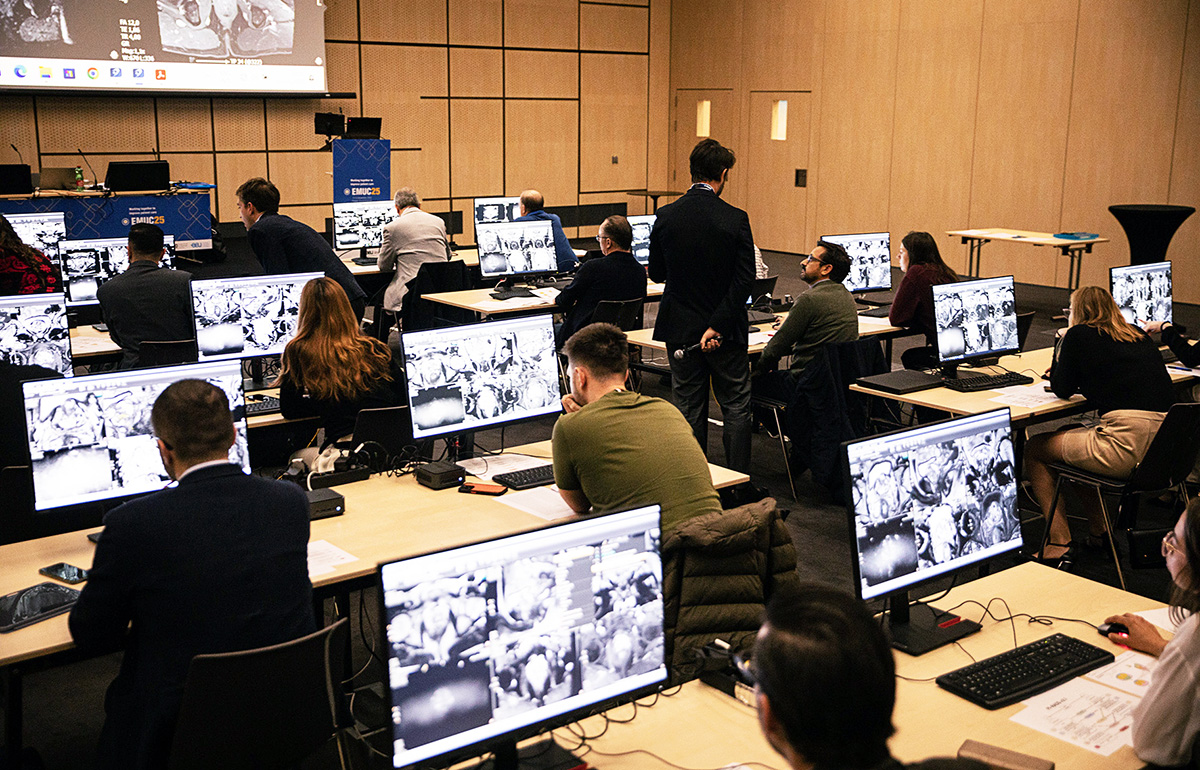
Sharing know-how: Learning MRI reading during the Hands-on Training course at the congress last year
Multidisciplinarity at its core
Why should EMUC26 be especially important to you right now? The experts make the case from three angles.
What sets EMUC26 apart from other events?
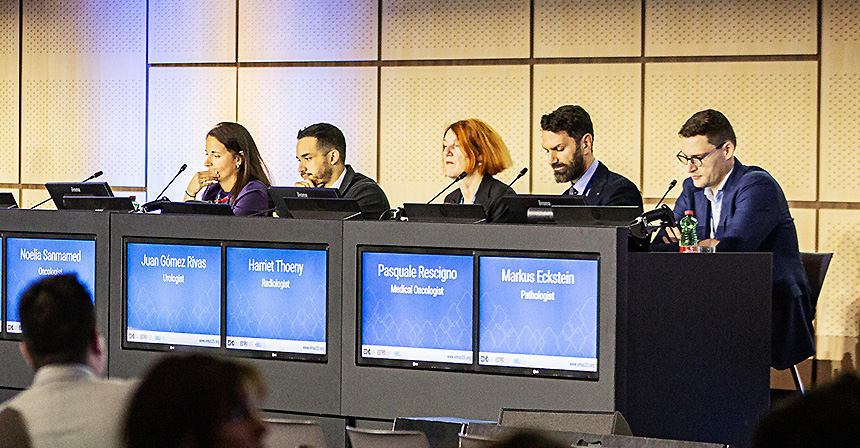
For Prof. Panebianco, the congress stands out for its breadth of disciplines involved. “EMUC26 is one of the few congresses where urologists, radiologists, medical oncologists, radiation oncologists, and translational scientists are not only present, but actively co-create the scientific dialogue. You will have opportunities to engage in high-level debates and interact with leading experts across specialties at the congress.”
Who is it for?
Both Prof. Jereczek-Fossa and Prof. Erba frame the congress as essential across career stages and roles. “No matter what stage you are at in your career, EMUC26 is a must-attend for healthcare professionals (HCPs) involved in uro-oncology,” says Prof. Jereczek-Fossa. Prof. Erba adds that the congress is “essential for HCPs who aspire to become better members of the MDT managing GU cancers.”
What is on the programme?
Prof. Jereczek-Fossa points to the wide range of the scientific content as a key draw. “The scientific programme is rich with key discussions, patient involvement, true game changers, rapid fire debates tackling current controversies, and more.”
To give a sense of that scope, the EMUC26 Scientific Programme will comprise 12 tracks:
- Prostate cancer (localised; metastatic)
- Urothelial cancer (localised; metastatic)
- Renal cancer (localised; metastatic)
- Testicular and penile cancer (rare diseases)
- Diagnostics, biomarkers, early detection, and pathology
- Theranostics
- Genetics and precision medicine
- AI
- Cancer survivorship and quality of life
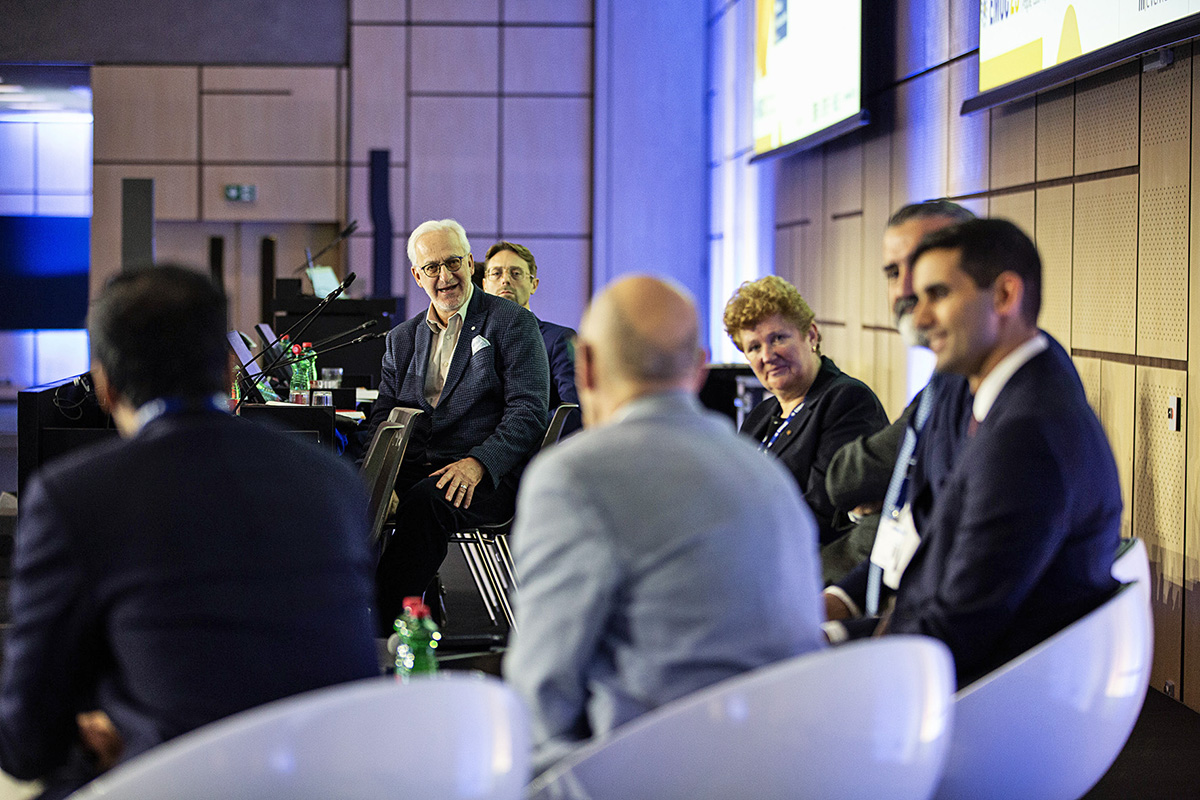
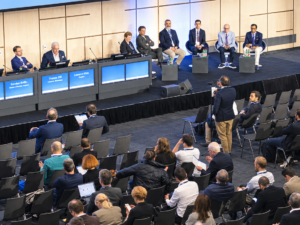
Expect lively and highly informative discussions at EMUC
No single specialty has all the answers
“Uro-oncology is teamwork,” says Prof. Jereczek-Fossa. “EMUC26 perfectly embodies this spirit of collaboration. It’s a unique environment where innovation, evidence, and real-world practice from diverse disciplines come together.”
Prof. Panebianco closes with an invitation: “Be part of a community that is actively shaping the future of oncological GU care. Join us at EMUC26, the largest GU cancer congress in Europe.”
Full programme details and registration are available at https://emuc.org/.