“Cancer survivorship starts at the time of diagnosis, through the balance of an individual’s life. GU cancer survivors include those living with cancer and those free of cancer,” stated medical oncologist Prof. Alicia Morgans (US) in her EMUC26 presentation ‘Shining a light on today’s needs in GU cancer survivorship’.
According to Prof. Morgans, advances in therapies and treatment approaches are increasing the cancer survivor population, while also broadening the needs they have. To illustrate this, she presented data from Bluethmann SM et al. showing an increase from 3.6 million cancer survivors in 1975 to a projected 26.1 million by 2040, across different age groups in USA, but particularly older adults.
Her lecture then explored some of the less considered, but very prevalent and challenging complications affecting GU cancer survivors, including psychological, cognitive, and sexual health concerns.
Anxiety and depression
Prof. Morgans referred to the study Dink KT et al., which reported a 23% increased risk of depression associated with androgen deprivation therapy (ADT). She also discussed the impact of treatment on mental health in muscle-invasive bladder cancer (MIBC), with reference to the study by Jazzar U et al. Among 3,709 patients, 50.4% were diagnosed with a psychiatric disorder following treatment. These diagnoses were associated with significantly poorer overall and cancer-specific survival, underlining the importance of addressing psychological morbidity in treatment decisions and survivorship care.
She also highlighted the NCCN Survivorship Guidelines, which recommend screening for depression, anxiety and the impact of mood symptoms on daily functioning. “Effective treatments for depression and anxiety should be recommended, including exercise, counselling, and pharmacologic strategies.”
Cognitive decline
Prof. Morgans referred to a study by Joly F. et al., which assessed cognitive function and patient reported fatigue in metastatic renal cell carcinoma patients treated with VEGF or mTOR inhibitors. The study found significant cognitive change from baseline at 3 months and 6 months including executive function, information processing speed, working memory, visual episodic memory and verbal episodic memory. She also highlighted the potential cognitive impact of ADT associated with cognitive decline in prostate cancer, referring to the ARACOG study (Morgans AK et al. 2026), which investigated changes in cognitive function among PCa survivors receiving androgen receptor pathway inhibitors (ARPIs).
Sexual complications
Prof. Morgans shared the systematic review from Barros R (2022) reporting erectile dysfunction in testicular cancer (orchiectomy), urothelial carcinoma (upper tract and bladder), renal cancer, penile cancer and prostate cancer. She recommends identifying and addressing the underlying causes of sexual dysfunction through an individualised assessment to guide appropriate treatment options and support for patients.
To sum up, she emphasised that survivorship care must support the whole patient with services across many disciplines such as sexual health, cardio-oncology, onco-endocrinology, psychological services, nutritionists, nurses, pharmacy, physical therapists, sleep counselling. This includes multidisciplinary teams including non-physician team members including nursing, pharmacy, physical therapists, are needed to collaborate in complex care.
In Prof. Morgans concluding statement, she emphasised the importance of a holistic, multidisciplinary approach to survivorship care that addresses the needs of the ‘whole’ patient. This requires collaboration across a range of specialties and services, including sexual health, cardio-oncology, onco-endocrinology, psychological support, nutrition, sleep counselling and physical rehabilitation, with nurses, pharmacists and other healthcare professional playing an essential role in delivering comprehensive care. “Supporting CU cancer survivors means supporting the clinical teams and research efforts that define complications, develop solutions and treat GU cancer survivors”.
A patient’s perspective
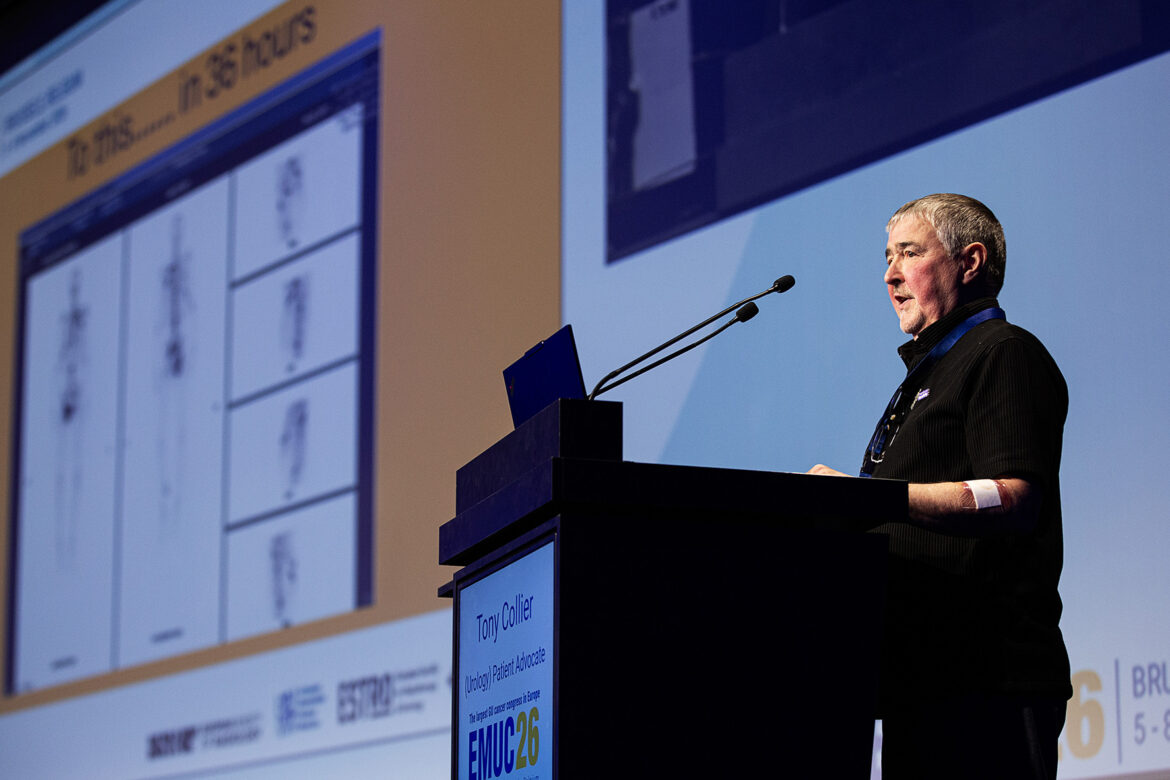
“Remember to treat the person, not just the cancer” was the clear message from patient Mr. Tony Collier, a trustee of the Tackle Prostate Cancer -The National Federation of Prostate Cancer Support Groups). In his presentation, he reflected on his prostate cancer ‘odyssey’, describing how within just 36 hours, he went from being a fit, avid runner, to facing the realities of living with advanced PCa. He talked about the impact on day to day life, family, personal finances, sexuality and mental health.
Mr. Collier discussed the significant barriers to optimal care, including variations in knowledge from healthcare providers, poor administration, unequal access to treatments and clinical trials, and the impact of socioeconomic deprivation, health literacy and digital exclusion. Other challenges included poor referrals, inadequate holistic care and the burden of self-advocacy, emphasising the need for better support groups.
Other ongoing challenges faced by patients from Mr. Colliers support group included the stigma surrounding incontinence, insufficient information to support treatment decisions, and limited discussion of the impact of ADT on bone and cardiovascular health. Other concerns included limited access to oncologists, difficulties maintaining physical activity during treatment and inadequate support for partners and families.
He emphasised the importance of patient resilience and told medical professionals, “Don’t wrap your patients in cotton wool. Don’t be overprotective. Empower your patients.”
You can watch the full plenary session on GU Cancer Survivorship: in the EMUC26 Resource Centre, including interesting debates and multidisciplinary case discussions. Chairs of the Plenary Session were radiation oncologist Dr. Giulia Marvaso, Milan (IT) and Prof. Morgans.